
Living in Cary, NC appeals to a lot of different people for a reason. Cary has that rare mix of suburban comfort, strong schools, beautiful parks, convenient commuting, and enough dining, shopping, and entertainment to keep life feeling full without feeling chaotic. It is consistently ranked as one of the safest and best places to live in the country, and once you spend time here, it is easy to understand why.
Set right in the middle of the Triangle, Cary gives us quick access to Raleigh, Durham, Research Triangle Park, and RDU Airport while still delivering a quieter, more polished day-to-day lifestyle. It feels intentional. It feels well planned. And for many people relocating to the area, it ends up being one of the first places they seriously consider.
If you are exploring Living in Cary, NC, here is a full look at what makes the town so desirable, where different neighborhoods fit different lifestyles, what the schools and amenities are like, and what tradeoffs to keep in mind.
Table of Contents
- Why Cary, NC Stands Out for Homebuyers
- Cary, NC Location Guide
- Cary Neighborhoods and Home Prices (What You Can Expect)
- Top-Rated Schools in Cary, NC
- Things to Do in Cary, NC
- Parks, Greenways, and Outdoor Living in Cary, NC
- Shopping in Cary, NC: Best Spots to Know
- Best Plant Shops and Garden Centers in Cary
- Where to Eat in Cary: Local Favorites, Food, and Drink
- The Downsides of Living in Cary, NC
- Is Cary, NC the Right Place to Live for You?
- FAQs About Living in Cary, NC
Why Cary, NC Stands Out for Homebuyers
Cary started as a small railroad village and has grown into a thriving town of more than 180,000 residents. It has become one of the most sought-after places in North Carolina, especially for people who want a high quality of life without giving up convenience.
One of the things that makes Cary feel unique is how many people have moved here from somewhere else. Roughly 60% of residents were born outside North Carolina, which gives the town a more diverse and multicultural feel than people often expect from a suburb. There is a long-running joke that Cary stands for the “Containment Area for Relocated Yankees,” and while that is tongue-in-cheek, it also hints at how much relocation has shaped the area.
For many of us, the appeal comes down to a few major strengths:
- Safety
- Economic stability
- Top-rated schools
- Excellent amenities
- Access to jobs across the Triangle
- Beautifully maintained neighborhoods and green space
Cary is not trying to be a major city, and that is part of the appeal. It offers a more relaxed pace, but it is close enough to everything that we never feel cut off from the energy of the region.
Cary, NC Location Guide
One of the biggest advantages of Living in Cary, NC is location. Cary sits in the heart of the Triangle, with access to major highways including I-40, I-440, US-1, and NC-540. That makes commuting around the region relatively easy, especially compared with larger metro areas where distance and congestion can dominate your schedule.
From most Cary neighborhoods, Raleigh-Durham International Airport is only about 10 to 15 minutes away. That is a huge perk for frequent travelers, remote workers who travel occasionally, or anyone who just likes having easy flight access. RDU offers nonstop service to major cities across the U.S. along with several international destinations.

Cary also puts us within a short drive of:
- Downtown Raleigh, typically around 15 to 25 minutes
- Downtown Durham, also generally within 15 to 25 minutes
- Research Triangle Park, around 15 minutes from Cary
That means concerts, museums, festivals, major employers, college campuses, and city-style dining are all close by. We can enjoy a quieter home base while still tapping into the larger Triangle whenever we want.
For career opportunities, this location is hard to beat. RTP is home to more than 300 tech, biotech, and research companies, and Cary is a natural landing spot for professionals working at employers like IBM, Cisco, GSK, SAS, Lenovo, Biogen, Fidelity, Google, Microsoft, and Apple’s future presence in the area.
And for higher education, Duke, UNC-Chapel Hill, and NC State are all within about 15 to 30 minutes, depending on where in Cary we are starting from.
Cary Neighborhoods and Home Prices (What You Can Expect)
One of the best things about Living in Cary, NC is that Cary is not one-note. Different parts of town feel very different, and that gives buyers and renters real options depending on budget, lifestyle, and commute needs.
Preston
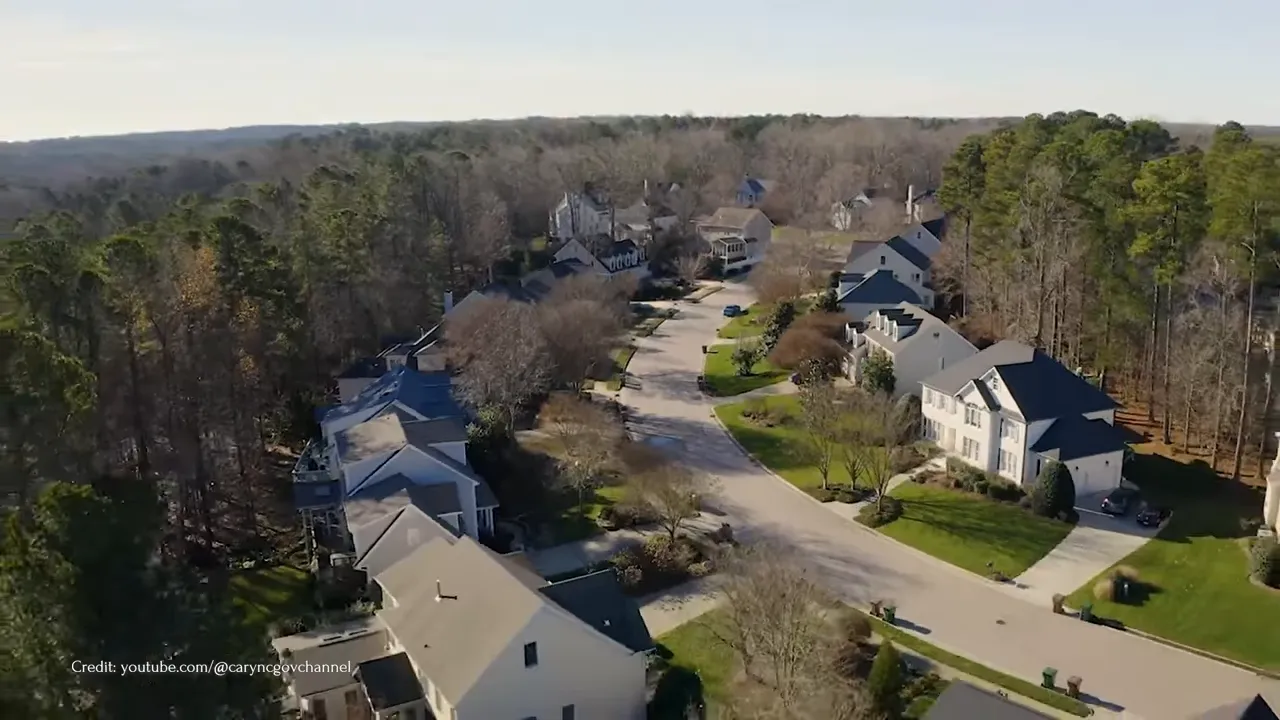
Preston is one of Cary’s most established luxury communities. Built around championship golf courses and anchored by the Prestonwood Country Club, it has a more prestigious, classic feel. Think winding roads, mature trees, larger homes, and a strong sense of presence.
Homes in Preston generally range from around $700,000 to well over $2 million. For anyone looking for an upscale golf community with established landscaping and a polished atmosphere, this is often one of the first neighborhoods that comes up.
West Cary
West Cary is especially popular with people who want newer homes and neighborhood amenities. Communities like Amberly, Carpenter Village, and Cary Park are known for modern floor plans, community pools, trails, and a more recently developed feel.
Many homes here fall roughly in the $500,000 to $900,000 range. West Cary also offers easy access to RTP and nearby trail systems, including the American Tobacco Trail, which makes this area particularly attractive for commuters and active households.
Downtown Cary
Downtown Cary has gone through a major revitalization over the last decade, and it now blends historic charm with modern energy in a way that feels very intentional. Older homes, renovated cottages, townhomes, and newer apartments all come together in a walkable district filled with restaurants, local shops, and public gathering spaces.
Home prices here vary, but renovated older homes and newer builds often range from the mid-$500,000s to over $1 million. If we want a small-town feel with more walkability and a little more urban texture, downtown Cary is a standout.
Established Cary Neighborhoods
Cary also has several well-loved established communities like Lochmere, MacGregor Downs, Wellington, and Regency. These neighborhoods are known for mature landscapes, larger lots, classic home styles, and a mix of original-condition and updated properties.
Pricing in these areas typically starts in the $500,000s and can go well over $1 million, depending on location, size, and updates. Many include amenities like pools, tennis courts, golf access, and walking trails.
If mature trees and established character matter to us, these neighborhoods are worth serious consideration.
Top-Rated Schools in Cary, NC
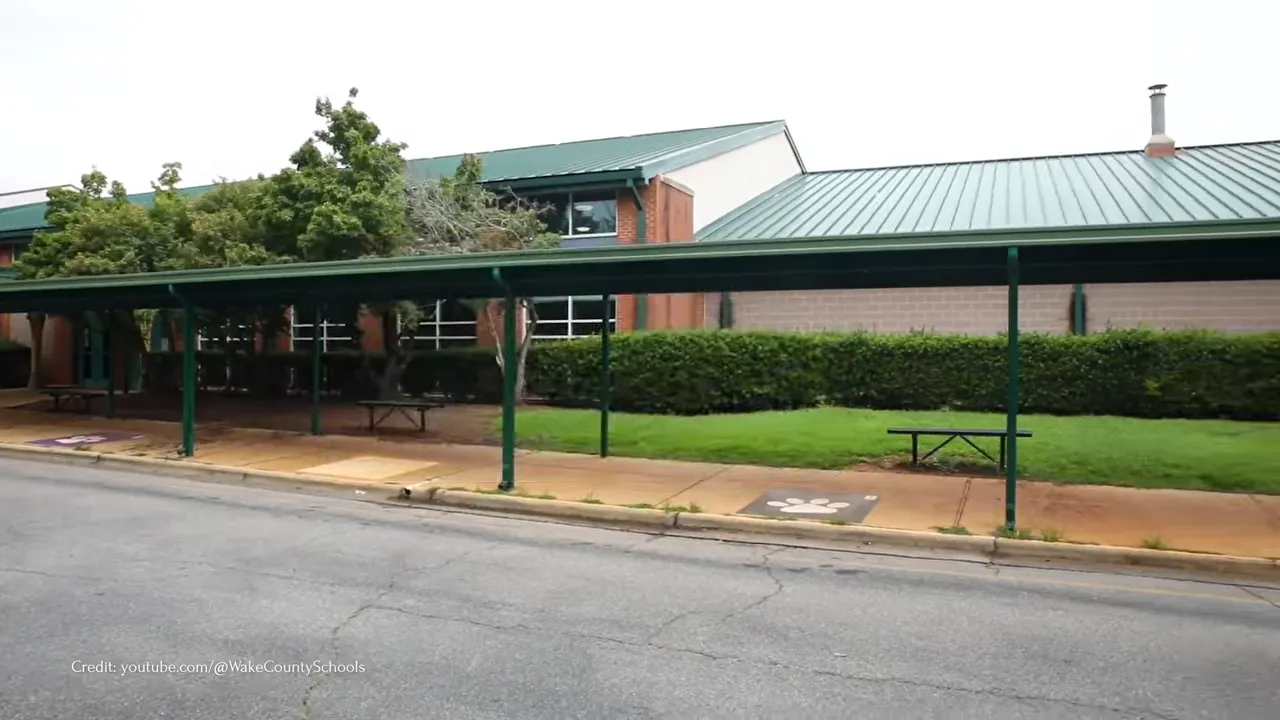
For many households, schools are a major reason they prioritize Living in Cary, NC. Cary is primarily served by Wake County Public Schools, one of the largest and most recognized school districts in North Carolina.
The district offers a wide range of academic programs, extracurricular options, and school models, which helps Cary appeal to families with different priorities and learning styles.
In and around Cary, we can find:
- Traditional public schools
- Magnet schools
- Charter schools
- Private schools
- Faith-based schools
- Montessori options
- Homeschool co-ops and enrichment programs
And beyond K-12 education, Cary’s location near Duke, UNC-Chapel Hill, and NC State adds another layer of long-term value. That proximity supports a strong education-centered culture and puts major university resources within easy reach.
Things to Do in Cary, NC
Cary tends to surprise people here. A lot of folks expect a suburb to be quiet and practical, but Cary actually has a lively arts and entertainment scene.
Koka Booth Amphitheatre is one of the area’s signature venues. Set beside Symphony Lake, it hosts everything from North Carolina Symphony performances to touring acts and the hugely popular Chinese Lantern Festival.
Downtown Cary Park has quickly become one of the town’s most important gathering spaces. With a performance pavilion, food kiosks, playgrounds, and events throughout the year, it gives downtown a real social center.
The Cary Arts Center, housed in a restored historic building, brings in performances, exhibits, and classes that help anchor the local arts scene.
Sports and recreation venues add even more energy:
- WakeMed Soccer Park, home to North Carolina FC and the NC Courage
- USA Baseball National Training Complex
- Triangle Aquatic Center, a major regional swim facility
And when we want even bigger concerts or large-scale performances, venues like DPAC, Red Hat Amphitheater, Coastal Credit Union Music Park, and Lenovo Center are all within easy reach.
That is one of Cary’s recurring themes. We get a strong local lineup plus quick access to the region’s bigger attractions.
Parks, Greenways, and Outdoor Living in Cary, NC
If outdoor access matters, Living in Cary, NC really stands out. Cary has done an exceptional job building recreation into everyday life rather than treating it like an extra.
Bond Park is one of the town’s signature outdoor spaces. Spanning 310 acres, it includes a 42-acre lake, athletic fields, and year-round community events. It is central, accessible, and well integrated into the rest of the town.
Cary also has an 80-plus-mile greenway system. That network includes routes like the Black Creek Greenway, which connects to Lake Crabtree County Park. For walking, jogging, biking, and simply getting outside without having to drive far, it is a major lifestyle perk.
What we love about Cary’s outdoor setup is how practical it feels. In many neighborhoods, parks and greenway access are close enough to walk to. Playgrounds, splash pads, trails, and open spaces are woven into the town in a way that makes being active feel easy.
There is also a strong community calendar built around these spaces, with free concerts, movies in the park, farmers markets, and cultural festivals throughout the year. Cary’s Diwali celebration, in particular, reflects the town’s diverse global community and has become one of its standout cultural events.

Shopping in Cary, NC: Best Spots to Know
Shopping in Cary ranges from practical everyday errands to polished, higher-end experiences.
The standout newer destination is Fenton, a mixed-use development that has added a more curated and upscale retail and dining environment to Cary. It combines premium shops, chef-driven restaurants, and entertainment options in a modern outdoor setting.
Beyond Fenton, Cary offers:
- Downtown boutiques
- Parkside Town Commons for everyday retail needs
- Crossroads Plaza for additional shopping and conveniences
- Specialty stores spread throughout the community
So whether we are looking for a quick Target run, a unique gift, or a nicer night out with shopping and dinner, Cary has options that cover all of it.
Best Plant Shops and Garden Centers in Cary
This may not be the first category people think about, but for plant lovers, Cary has some great local spots.
Garden Supply Company is a go-to for houseplants, shrubs, trees, and outdoor landscaping needs. They also host workshops and offer landscaping services, which makes them useful whether we are shopping for a single plant or planning a full yard refresh.
In downtown Cary, City Garden Design offers a more boutique experience with curated houseplants, succulents, moss art, and plant styling services. It is a fun stop if we are looking for something a little more unique.
And with Logan’s Garden Shop coming to Fenton, Cary’s plant scene continues to grow.
It is a small detail, but it adds to the larger picture of Cary being a place where everyday lifestyle amenities are genuinely strong.
Where to Eat in Cary: Local Favorites, Food, and Drink
The food and drink scene is another area where Living in Cary, NC keeps getting better. Cary has evolved well beyond the typical suburban chain-restaurant stereotype and now offers a mix of upscale dining, casual local favorites, breweries, dessert shops, and coffee spots.
At Fenton, restaurants like Superica, M Sushi, Colletta, and Brewery Bhavana have helped raise Cary’s dining profile. These are the kinds of places that make Cary feel more current and more connected to the broader Triangle food scene.
For coffee, La Farm Bakery is a staple, known for artisan breads and a strong espresso bar. Downtown spots like Brew and Esteamed Coffee are also great local options for a casual meet-up or slower morning.
If bubble tea is more your thing, Cary has plenty of choices, including:
- Brecotea
- Milk Lab
- Cha House
- Kung Fu Tea
Dessert is covered too. Asali offers beautifully crafted sweets, while Goodberry’s, Andia’s, and FRESH are solid options when we want something cold and fun.

Cary’s craft beverage scene is thriving as well. Breweries like Bond Brothers, Fortnight, Jordan Lake, South Line, and Vicious Fishes give us plenty of places to unwind. And for cocktails, spots like Hearsay, SideDoor, Peck & Plume, RBF, and Sidebar add variety for a night out.
The bigger story here is momentum. Cary’s food and drink scene keeps expanding, and that growth has made the town feel more dynamic year after year.
The Downsides of Living in Cary, NC
No town is perfect, and Cary has a few challenges that are worth being realistic about.
The first is traffic. Roads like Highway 55 and Cary Parkway can get congested, especially during peak hours. Even though Cary is highly convenient overall, certain corridors definitely feel the pressure of the area’s growth.
The second is cost. Home prices have risen significantly, with the median home price around $575,000 at the time of recording. For some buyers, that can be a stretch, especially compared with surrounding communities that may offer more house for the money.
Another thing to understand is that Cary is largely built out. There is not much undeveloped land left, so new construction is limited compared with some nearby towns. That means many buyers will be choosing from established neighborhoods rather than large brand-new communities.
For some of us, that is actually a plus because it brings mature trees, landscaping, and character. But if a brand-new home on a newly developed street is the top priority, Cary can feel more limited.
Is Cary, NC the Right Place to Live for You?
Living in Cary, NC works especially well for people who value a polished, well-maintained community with strong schools, quick access to jobs, excellent parks, and a wide range of amenities. It is ideal for tech professionals commuting to RTP, households focused on education, people who travel regularly through RDU, and anyone who wants suburban comfort without feeling disconnected from city life.
What really sets Cary apart is how it balances growth with character. The town feels modern, but not soulless. It feels established, but not stagnant. Thoughtful planning, preserved green space, and strong community amenities give it a sense of stability that many fast-growing places struggle to maintain.
Yes, it comes at a premium. Yes, traffic can be frustrating in spots. But for many people, Cary delivers exactly what they are looking for: convenience, comfort, quality, and a lifestyle that feels easy to settle into for the long term.
If Cary is on your shortlist, it is worth taking a close look at which part of town best fits your budget, commute, and day-to-day rhythm. Because while Cary as a whole is highly desirable, the right neighborhood is what really makes it feel like home.
If you’re a homebuyer considering Living in Cary, NC, let’s make your move easier. I can help you narrow down the right neighborhoods, understand current pricing, and set up showings that fit your timeline.
Call or text: (919) 578-8490
FAQs About Living in Cary, NC
Is Cary, North Carolina a good place to live?
Yes. Cary is widely known for safety, strong schools, convenient access to Raleigh, Durham, RTP, and RDU, plus excellent parks, shopping, and dining. For many people, it offers one of the best overall quality-of-life packages in the Triangle.
What is the average home price in Cary, NC?
At the time referenced here, the median home price in Cary was around $575,000. Neighborhood-specific pricing varies a lot, with some areas starting in the $500,000s and luxury communities climbing well above $1 million.
What are the best neighborhoods for living in Cary, NC?
That depends on lifestyle and budget. Preston is known for luxury golf community living, West Cary is popular for newer homes and amenities, downtown Cary is great for walkability and charm, and neighborhoods like Lochmere, MacGregor Downs, Wellington, and Regency offer established character and mature landscaping.
How close is Cary to Research Triangle Park and the airport?
Cary is very close to both. RDU Airport is typically about 10 to 15 minutes from most Cary neighborhoods, and RTP is generally around 15 minutes away, making Cary especially attractive for professionals and frequent travelers.
Are the schools good in Cary, NC?
Cary is served primarily by Wake County Public Schools and also offers charter, magnet, private, faith-based, Montessori, and homeschool support options. That variety is a major reason so many households consider Cary.
What are the main drawbacks of living in Cary, NC?
The biggest drawbacks are rising home prices, some traffic congestion on major roads like Highway 55 and Cary Parkway, and limited new construction because much of Cary is already developed.


